POC In store experience
Digital ecosystem
2021
Senior Product Designer

PROJECT
Defining a new mobile experience for luxury retail market
Farfetch, online luxury fashion retail platform, wants to expand their services to Brick & Mortar stores and connect retailers and luxury shoppers.
CHALLENGES
No clear problem definition at the outset, so the scope had to be shaped during the project.
Teams split between Brazil and the UK, with different objectives, priorities and ways of working.
Limited priority from other departments, which required sustained stakeholder management.
SOLUTION
Validate the concept by testing a proof of concept in store with real users.
Defined the in-store experience from our existing knowledge of customers and the brand.
Aligned with other departments to validate how the experience could integrate within the marketplace.
Managed stakeholders across teams, negotiating trade-offs and steering discussions toward a shared goal.

RESULT
🔹 Positive Usability: Users found the prototype intuitive, easy to navigate, and clear.
🔹 Audience Mismatch: Features lacked relevance for small boutiques, proving better suited for malls, pop-ups, or curated concept stores.
🔹 Pivot Strategy: Dropped initial assumptions to explore alternative concepts while retaining key usability insights.
🔹 New Feature: Developed an in-store "physical cookie" to track and recall items customers engage with while shopping.
How it works

ROLE
As the principal designer leading this project, my responsibilities included:
• Charting the comprehensive customer journey
• Pinpointing the solutions to introduce
• Orchestrating road map/ Sprint alongside PM
• Partnering with the Brazilian team and specialized units (Customer app UK)
• Conceiving prototypes for user studies

Map user journey
Understand what the future customer journey would look like. It helped identify the impact of this initiative within the business. Once we got a better understanding of the different touchpoints and issues it might raise, we prioritized the work to be done and the assumptions to test.


Define hypotheses
Benchmark
Build a library compiling trends, best practices and features from competitors


Define flow to test


Design prototype and user research
Mapped a very simple flat navigation. This helped the discussion with stakeholders to get an idea on how we could implement the solution at an early stage.


Create An "In-Store mode " on the Farfetch App
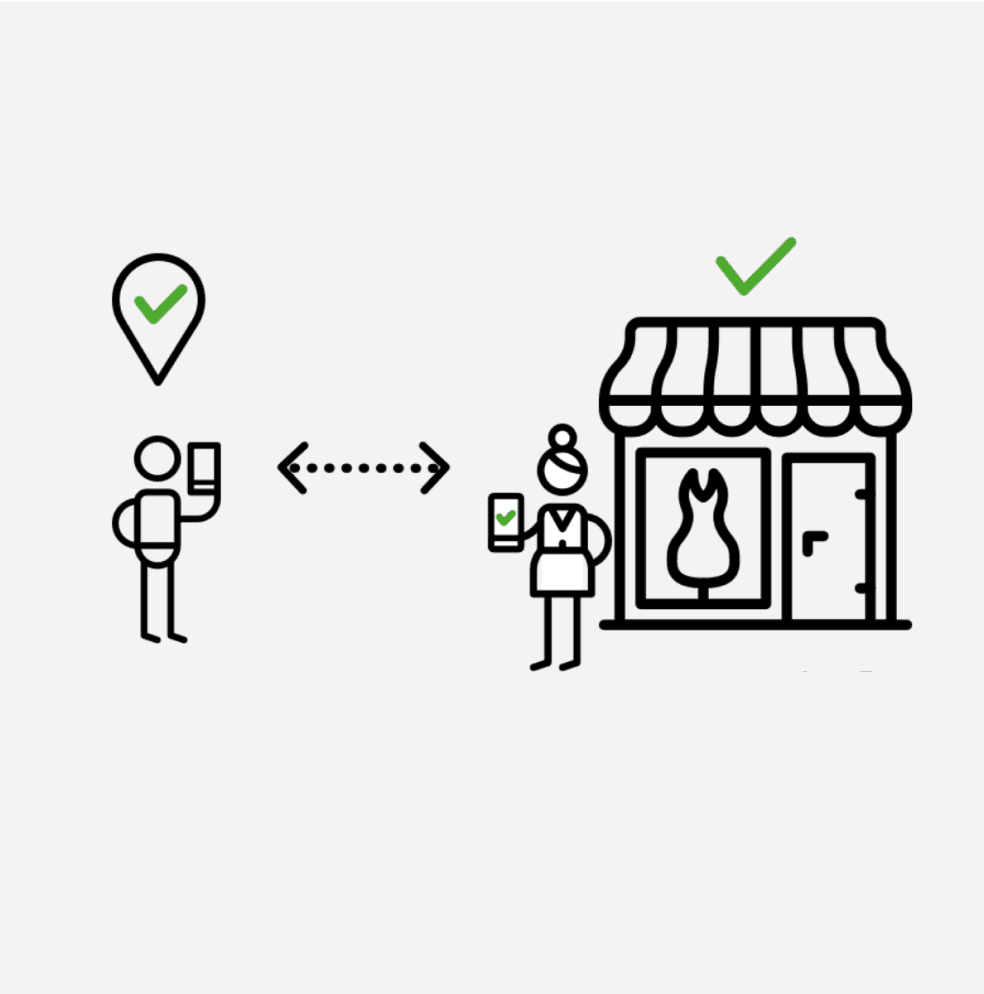
The customer when walking by a Farfetch partner boutique, gets a notification to invite him to the In-Store mode. Once the customer checks in, it will access to specific features and personalised experience.
The customer can see their wishlist preselected on line, check the size availabilities of items,
Bring a personalised unique experience for customer
Customer can
• See their wishlist preselected on-line
• Check size availabilities with scan feature
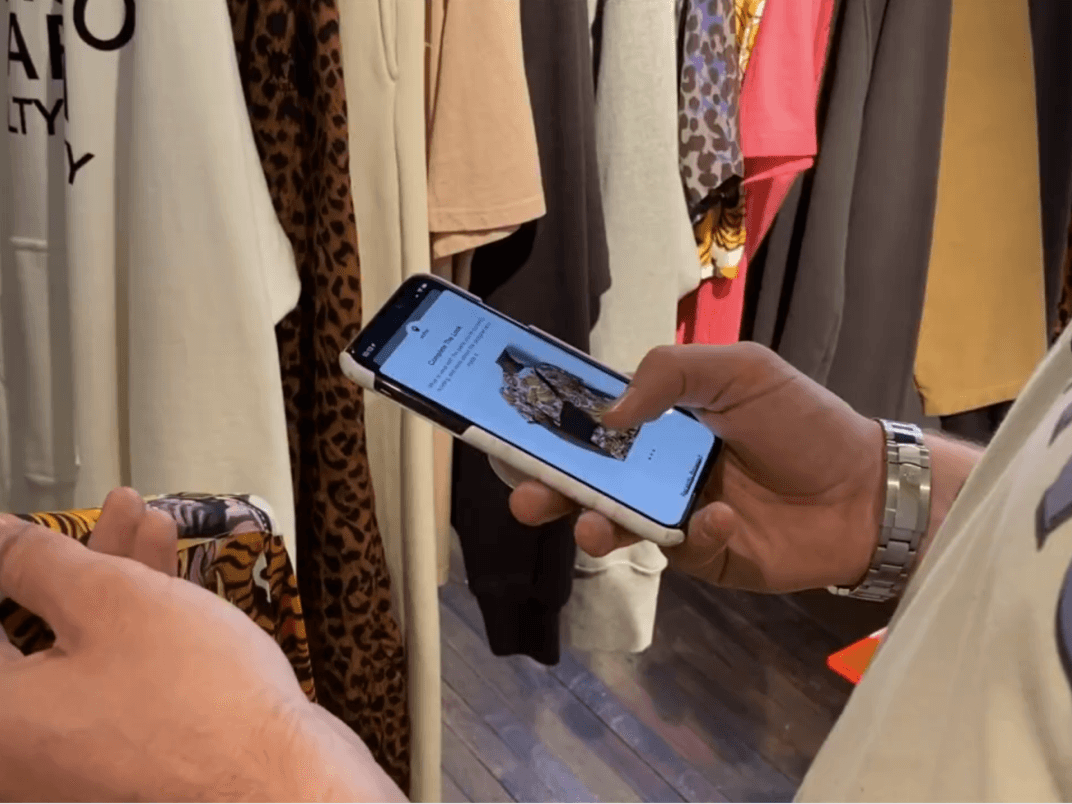
• Unlock exclusive content with NFC tag
• Receive a personalised experience from SA who will gets notify of their visit
• Request to try on item with the app
Once the customer left the boutique, the customer can see all the products they interacted with - like a physical cookie.


What i learnt
• Improved skills in presenting concepts and design rationale to diverse audiences
• Negotiate priorities and balance design vision with technical constraints
• Adapting to ambiguity
• Built resilience in dealing with changing requirements and scope
• Developed Outcome-Focused Mindset: measure the success of a POC not just by design quality, but by its potential to drive business and user value.